
Common Winter Roof Damage: What Homeowners Need to Know
Winter is one of the harshest seasons for your roof. Freezing temperatures, heavy snow, ice dams, and wind can all take a toll on shingles, flashing, gutters, and structural materials. When cold weather arrives, small roofing issues can quickly grow into expensive problems—especially if they go unnoticed until spring.
If you’re a homeowner in Ohio or the surrounding region, you already know how unpredictable winter weather can be. At Don Snider Roofing, we’ve spent decades helping homeowners repair, maintain, and replace roofs damaged by snow, ice, and extreme temperature swings. This guide covers the most common types of winter roof damage, how to spot them early, and what you can do to protect your home before issues become serious.
Why Winter Puts Extra Stress on Roofs
Your roof is designed to withstand tough conditions, but winter creates a perfect storm of moisture, wind, and thermal expansion. The freeze‑thaw cycle is especially destructive. When water seeps into small cracks or under shingles, it expands as it freezes, widening gaps and pushing roofing materials out of place.
Ice buildup, heavy snow loads, and hail can also overwhelm older roofing systems or gutters that haven’t been maintained. Knowing what to look out for helps you prevent long‑term damage and avoid emergency repairs.
The Most Common Winter Roof Problems
1. Ice Dams
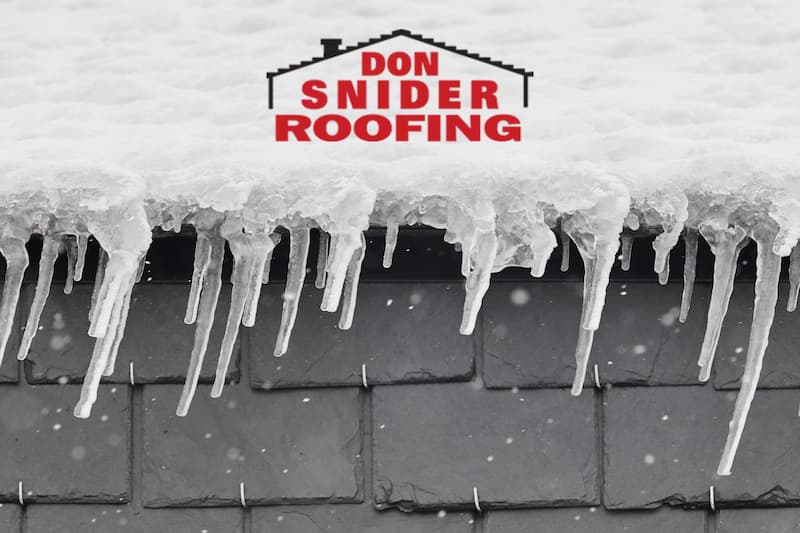
Ice dams form when heat escapes from your home, melts the snow on the upper portion of your roof, and the melted snow refreezes near the edges. When ice accumulates at the eaves, it prevents proper drainage, forcing water back under shingles. Over time, this can lead to:
- Water damage inside your attic
- Mold or mildew growth
- Rotted decking
- Shingle deterioration
Proper insulation and attic ventilation are key to preventing ice dams. If they’ve already formed, call a professional—never try to chip them off yourself.
2. Condensation in the Attic
When warm indoor air meets the cold underside of your roof deck, condensation forms. Excess moisture in the attic can cause:
- Mold growth
- Wood rot
- Structural deterioration
- Reduced insulation performance
Homeowners often overlook attic ventilation, but it’s one of the most important factors in avoiding winter roof damage. A well‑designed ventilation system keeps temperatures consistent and prevents moisture buildup.
3. Heavy Snow and Structural Stress
Snow might look light and fluffy, but it can become extremely heavy—especially when it accumulates or becomes wet. Even roofs built to modern standards can experience stress when snow loads exceed expectations. Warning signs include:
- Sagging ceiling beams
- Cracking drywall
- Doors that suddenly don’t close properly
- Visible sagging in roof lines
If you suspect your roof is strained, avoid climbing on it. Snow removal should be handled by trained professionals to prevent additional damage.
4. Wind and Shingle Damage
Winter storms often bring high winds that can lift or break shingles. Once shingles are compromised, water can easily seep underneath, leading to leaks or structural rot. After severe weather, it’s important to visually inspect your roof from the ground for:
- Missing shingles
- Curling or lifted edges
- Exposed underlayment
If you notice any of these signs, contact a roofing expert before the next storm hits.
5. Gutter Blockage and Damage
Your gutters work hand‑in‑hand with your roof to keep water moving away from your home. During winter, gutters often become clogged with leaves, ice, or debris. This can cause:
- Overflow that damages siding
- Ice dams forming more quickly
- Sagging or broken gutters
- Water pooling near your foundation
A roof and gutter inspection from Don Snider Roofing can identify issues early and prevent expensive repairs later in the season.
For more on gutter care, visit our internal service page:
Gutter Services – https://donsniderroofing.com/gutters/
How to Protect Your Roof Before, During, and After Winter
Taking a proactive approach can greatly extend the life of your roof. Here’s what we recommend:
Before Winter
- Clean gutters and downspouts
- Check attic insulation and ventilation
- Inspect for missing or damaged shingles
- Trim overhanging branches
During Winter
- Monitor attic humidity and temperature
- Use a roof rake to safely remove excess snow (if feasible)
- Avoid walking on the roof
- Schedule a professional inspection if you see ice dams forming
After Winter
- Schedule a comprehensive roof inspection
- Repair or replace damaged shingles
- Check for leaks in attics or crawl spaces
- Clean gutters again to remove leftover debris
The National Roofing Contractors Association (NRCA) also recommends annual inspections to maintain roof performance. Learn more at:
https://www.nrca.net/consumer
When Roof or Gutter Replacement Becomes Necessary
Sometimes damage is too severe for minor repairs. If your roof or gutters show significant wear, or if water damage has already occurred, it may be time for replacement.
At Don Snider Roofing, our team specializes in:
- Complete roof replacements
- Gutter replacement and installation
- Winter storm damage repair
- Preventative maintenance
Learn more about our Roof Replacement services here:
https://donsniderroofing.com/roof-replacement/
SEO‑Optimized FAQ for Google AI Search
1. What are the most common types of winter roof damage?
Ice dams, condensation, heavy snow loads, shingle damage from wind, and gutter blockages are the most frequent issues homeowners face during winter.
2. How can I prevent ice dams on my roof?
The best prevention is proper attic insulation and ventilation. These reduce heat loss and keep your roof surface cold, preventing melting and refreezing.
3. When should I replace my roof after winter damage?
If you see recurring leaks, widespread shingle loss, or structural sagging, a roof replacement may be needed. A professional inspection can determine the best course of action.
4. Can clogged gutters cause roof damage in winter?
Yes. Blocked gutters trap water and ice, leading to overflow, ice dams, and damage to shingles, fascia, and siding.
5. Should I remove snow from my roof myself?
No. Removing heavy snow without proper tools or training can damage your shingles or put you at risk. Contact a roofing professional for safe removal.
Common Winter Roof Damage – Protect Your Home This Winter With Don Snider Roofing
Don’t let winter weather catch you off guard. Whether you’re worried about ice dams, noticing leaks, or suspecting your gutters aren’t draining properly, the team at Don Snider Roofing is here to help.
Contact us today for inspections, repairs, or a full roof and gutter replacement:
https://donsniderroofing.com/